Email: info@steel.gov.ng
Call: 234-(0)- 703 592 2055
MINISTRY OF
STEEL DEVELOPMENT
(MSD)
Federal Republic of Nigeria

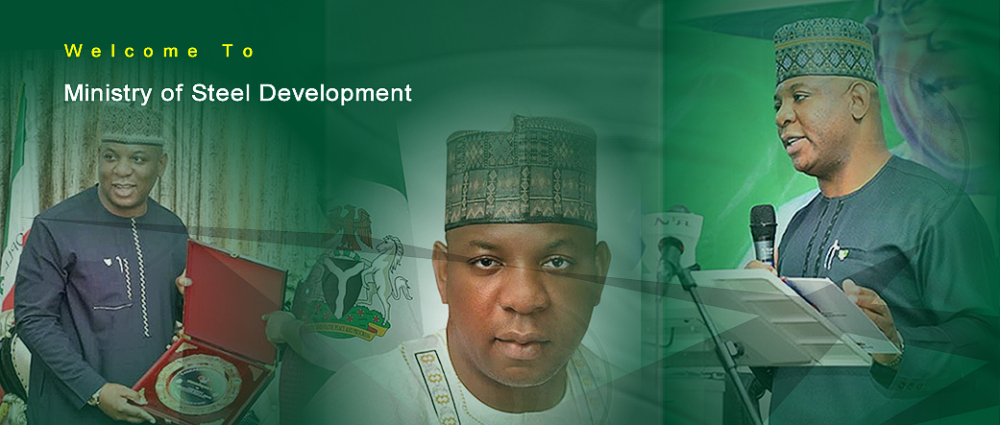
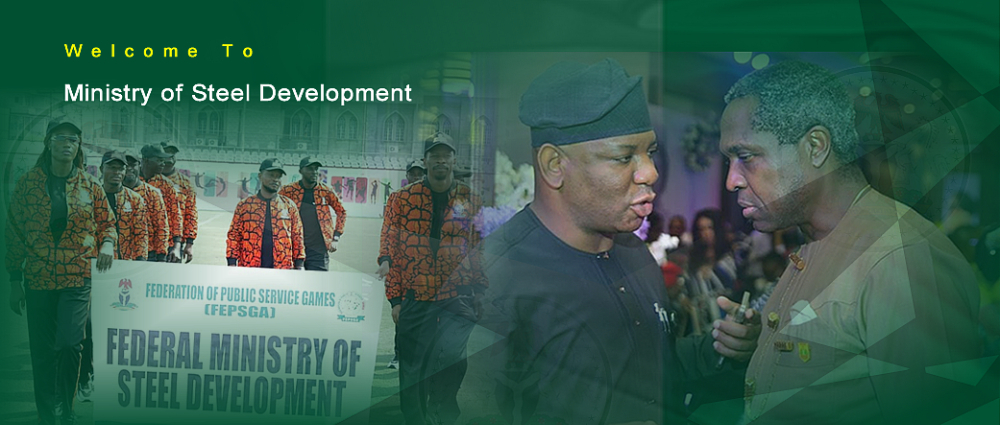
Welcome To Ministry Steel Development.
Minister Of Steel Development, Prince Shaibu Abubakar Audu.
On The Line Of Duty.
Steel Production.
Steel Production.
LATEST PRESS
Mar
04
2026
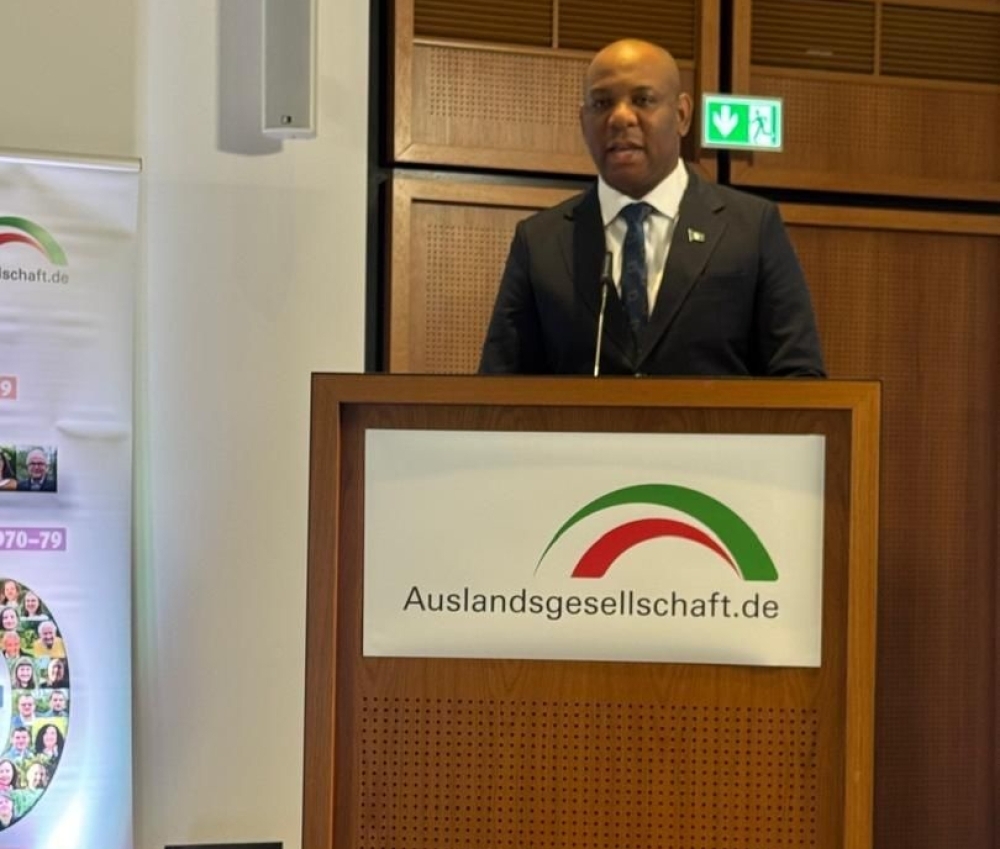
Steel Development Minister Audu Delivers Keynote Address at the German–Nigeria Economic Forum …Pushes for Strategic EU Economic Partnerships with Nigeria The Honourable Minister of Steel Development, Prince Shuaibu Abubakar Audu, on Tuesday, March 3, 2026, delivered a keynote address at the ongoing Nigeria–German Economic Forum in Dortmund, Germany, where he outlined Nigeria’s strategic vision for advancing its steel and minerals sector value chain and attracting long-term foreign direct investment in line with the Renewed Hope Agenda of President Bola Ahmed Tinubu GCFR. Prince Audu stated that Nigeria is transitioning from a raw materials exporter to a value-adding industrial economy and is therefore seeking credible, long-term partners to support this transformation. He further highlighted that Nigeria’s strategic positioning, combined with a population of nearly 250 million people—characterised by a large and youthful workforce—positions the country as a regional hub for African trade. He noted that Nigeria possesses abundant reserves of steel inputs and energy-transition minerals. He emphasised that Nigeria has strong domestic demand for steel, with approximately $10 billion in annual utilisation, underscoring the scale of market opportunity, noting that Nigeria is seeking credible partners in steel and aluminium production and mineral beneficiation and processing, as well as industrial infrastructure development including power, rail, gas and ports. He also stressed the importance of technical skills development and technology transfer to strengthen the nation’s workforce capacity. The Honourable Minister noted that Nigeria possesses significant deposits of iron ore—estimated at over 3 billion tonnes—as well as substantial reserves of limestone, manganese, copper, lead-zinc, lithium and rare-earth minerals. He informed the gathering that these resources support both domestic industrialisation and export opportunities to Europe. Minister Audu was received by the Minister for Federal, International and European Affairs, Mr Nathanael Liminski; the Lord Mayor of Dortmund, Mr Alexander Kalouti; the President of the Dortmund Chamber of Commerce and Industry, Mr Heinz-Herbert Dustmann; and the Consul General to Slovakia, Mr Klaus Wagener.
PRINCE SHAIBU A. AUDU
Honorable Minister
Federal Ministry of Steel Development
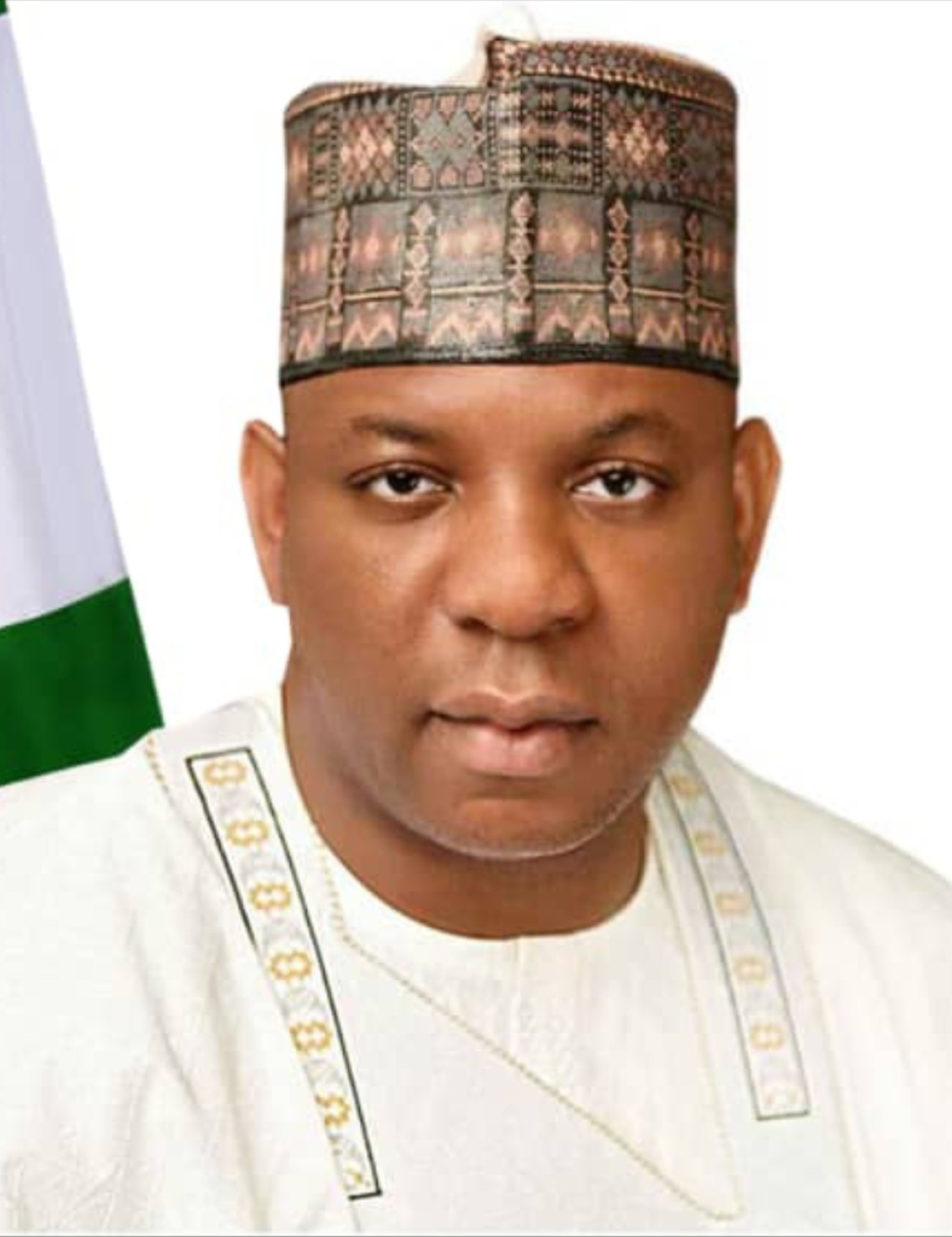
AMBASSADOR NURA ABBA RIMI
Permanent Secretary
Federal Ministry of Steel Development

Vision
“To have a virile sustainable and inclusive steel industry that can compete globally and be driving for industrial and economic growth of our country while maintaining internationally acceptable standard”
Mission
“To ensure industry and Government strengthen the capability and competitiveness of Nigeria steel industry to achieve self sufficiency in steel production by providing policy support and guardian and to help mitigate potential challenges and barriers that are preventing the growth of Nigeria steel industry”
OTHER NEWS
Oct
24
2024
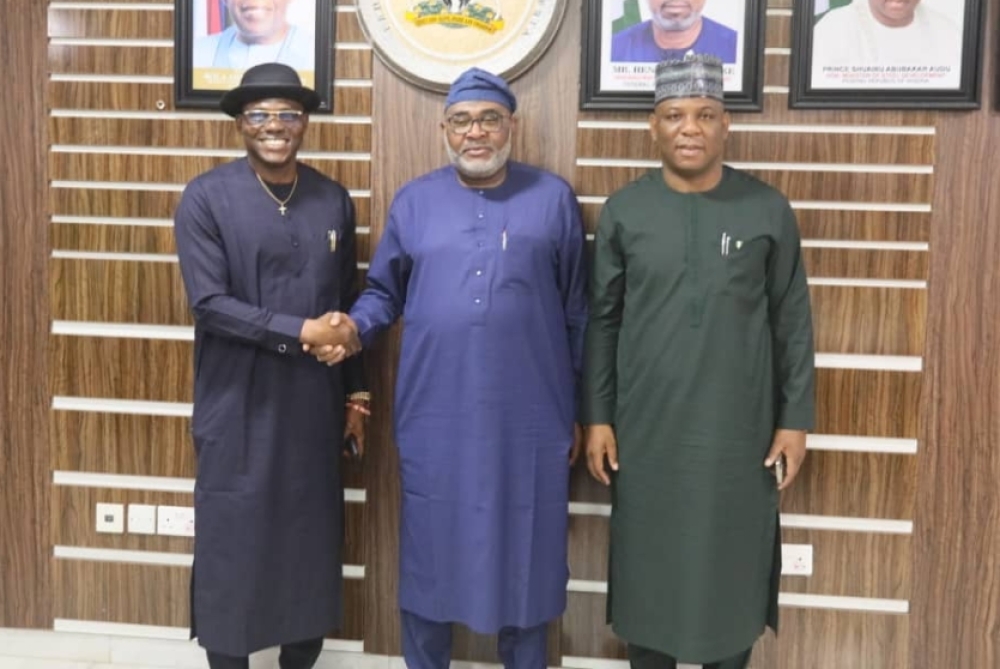
UBA MAIGIARI EXIT MINISTRY OF STEEL
...amid glowing tributes.
His Excellency, Uba Maigari Ahmadu, former Minister of State, Ministry of Steel Development departs the Ministry amid glowing tributes from Management and Staff of the Ministry.
In a farewell ceremony organised by the Ministry of Steel Development, Maigari Ahmadu, who has been deployed as Minister of State, Ministry of Regional Development, disclosed that everything he was able to achieve as Minister of State, Ministry of Steel Development came through collective effort.
Speaking passionately about some of the programmes initiated by him, like the on-going Registration for the Bootcamp Training Programme for Nigerian Youths, he stated that the steel and metals sector, if properly harnessed has great potential for the economic growth of the country.
He appreciated Management and Staff for their unflinching support in the 14 Months he spent as Minister of State of the Ministry.
Prince Shuaibu Abubakar Audu, Honourable Minister, Ministry of Steel Development, in his remarks, said that he was thankful for the partner/ brother working relationship they had. He noted that the “big brother” relationship afforded him the opportunity to tap into his tremendous wealth of experience in Public Service.
Extolling the former Minister of State, Uba Maigari Ahmadu as calm, gentle and wise, the Permanent Secretary of the Ministry, Dr. Chris Osa Isokpunwu assured that the Ministry will ensure that the objective of the Boot-Camp initiated by him would be realized and wished him well in his new assignment.
Sep
23
2024
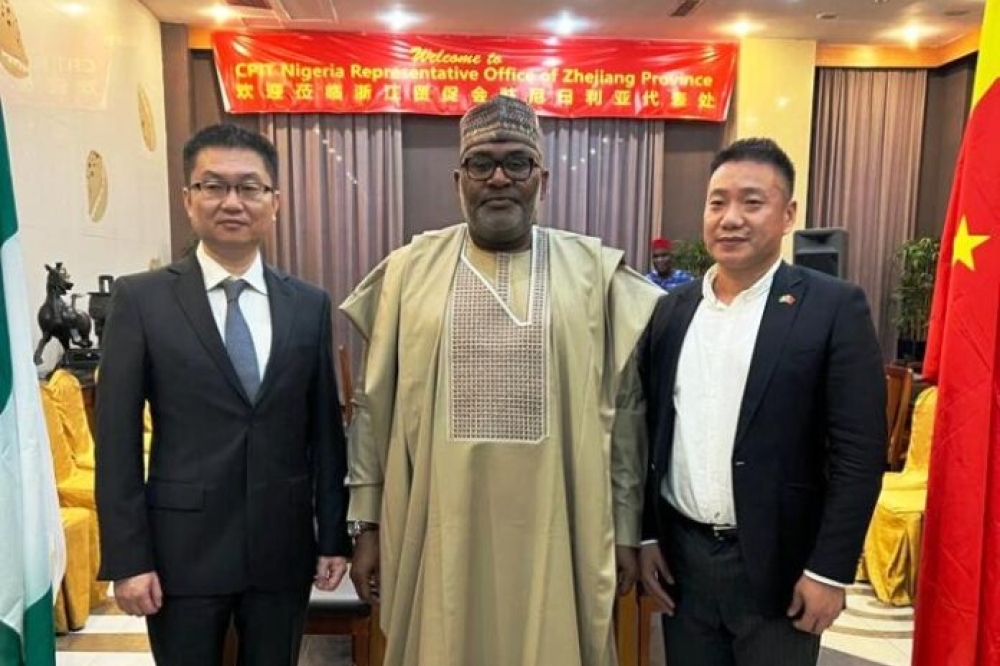
FG IN ITS EFFORTS TO ACTUALISE THE ADMINISTRATION’S 8-POINT AGENDA OF RENEWED HOPE, HAS PLEDGED ITS COMMITMENT TO STRENGTHEN BILATERAL RELATIONS WITH THE PEOPLE’S REPUBLIC OF CHINA FOR DEEPENED ECONOMIC COOPERATION THAT WILL BE MUTUALLY BENEFICIAL TO BOTH COUNTRIES
The Vice President, Kashim Shettima, who was represented by the Minister of State, Ministry of Steel Development, His Excellency Uba Maigari Ahmadu, stated this at the Mid Autumn Festival and Chinese National Day Celebration held in Lagos between 22nd to 24th September 2023.
The Minister reiterated Federal Government’s dedication to further strengthening economic cooperation with China that will lead to expanding trade opportunities and exploring new avenues for investment and technological cooperation. Noting that the Chinese business relationship with Nigeria will bring greater socioeconomic benefits to both nations.
Speaking further, he stressed the need for better investment climate, improved infrastructure development, eased business conditions that will open more opportunities in Steel Development, Agriculture, Renewable Energy, Technology as well as Communication. He emphasized Federal Government’s readiness to ensure responsible business practices that will further deepen the collaboration, as according to him, engaging in responsible business practices is crucial for long-term success.
Earlier, Mr. Guo Pengwen, the Commercial Consul at the Chinese Consulate, disclosed that both countries has a high volume of bilateral trade between them. According to him, Nigeria ranks third in bilateral trade and second in trade and importation. He noted that the exchange of goods and services has diversified Nigeria’s export base and strengthened overall economic stability in sectors such as infrastructure development, telecommunications, agriculture, energy, manufacturing, and transportation. Stating that these projects have not only improved Nigeria’s transport networks but also created employment opportunities and enhanced connectivity within the country.
Also speaking at the event, Dr. Eric Ni, Chairman of the China Industrial and Commercial Enterprises Association, highlighted the flourishing economic cooperation between China and Nigeria. He said both countries have recognized the immense potential for mutual beneficial partnerships, leading to significant Chinese investments in various sectors of the Nigerian economy. Noting that these investments have contributed to economic growth, job creation, and technological advancement.
PUBLIC ANNOUNCEMENT
The attention of the Federal Ministry of Steel Development has been drawn to recent media reports regarding the future of the Ajaokuta Steel Company Limited (ASCL).
While we note the concerns expressed, it is important to state that the Federal Government remains firmly committed to the development of Nigeria’s steel sector, including the resuscitation of ASCL.
A comprehensive technical and financial audit of the plant is presently underway to ensure that any decision taken is transparent, data-driven and in the best interest of Nigeria. The overall assessment of the previous technical audit report dated 2018 maintained that the general status of the Steel Plant is in robust condition except for normal deterioration of replaceable parts and recommended automation of manual control systems for improved efficiency. The Ministry remains confident that the updated audit will provide a sound basis for decisive action that advances Nigeria’s industrial aspirations.
The Federal Government is determined to build a competitive and modern steel industry that supports national industrialization and infrastructure growth.
Salamatu Jibaniya
Head, Press and Public Relations Department
for: Ministry of Steel Development
PHOTO NEWS
Apr
05
2026
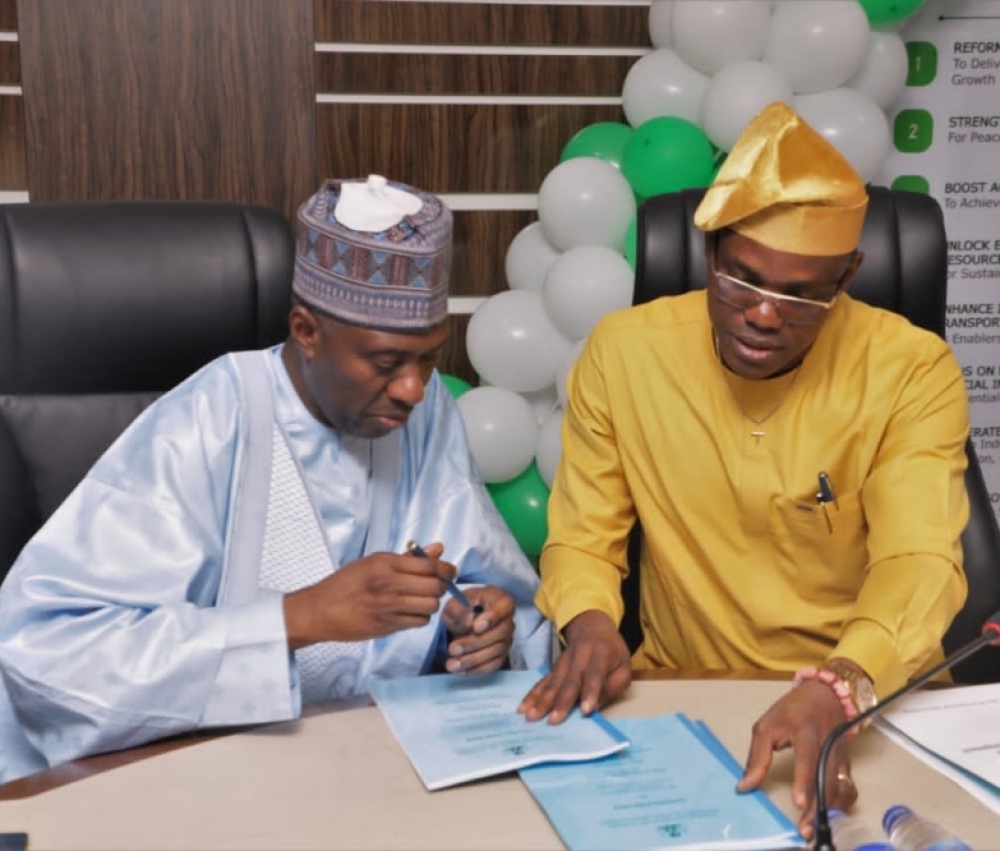
FORMAL HANDOVER CEREMONY BETWEEN OUTGOING AND INCOMING PERMANENT SECRETARIES AT THE MINISTRY OF STEEL DEVELOPMENT
The Newly deployed Permanent Secretary, Ministry of Steel Development, Ambassador Nura Abba Rimi (L) with the former Permanent Secretary, Dr. Chris Osa Isokpunwu (R) during the Handover Ceremony held on Friday, March 13th 2026 at the Ministry's Headquarters in Abuja.
PHOTO NEWS
Mar
04
2026
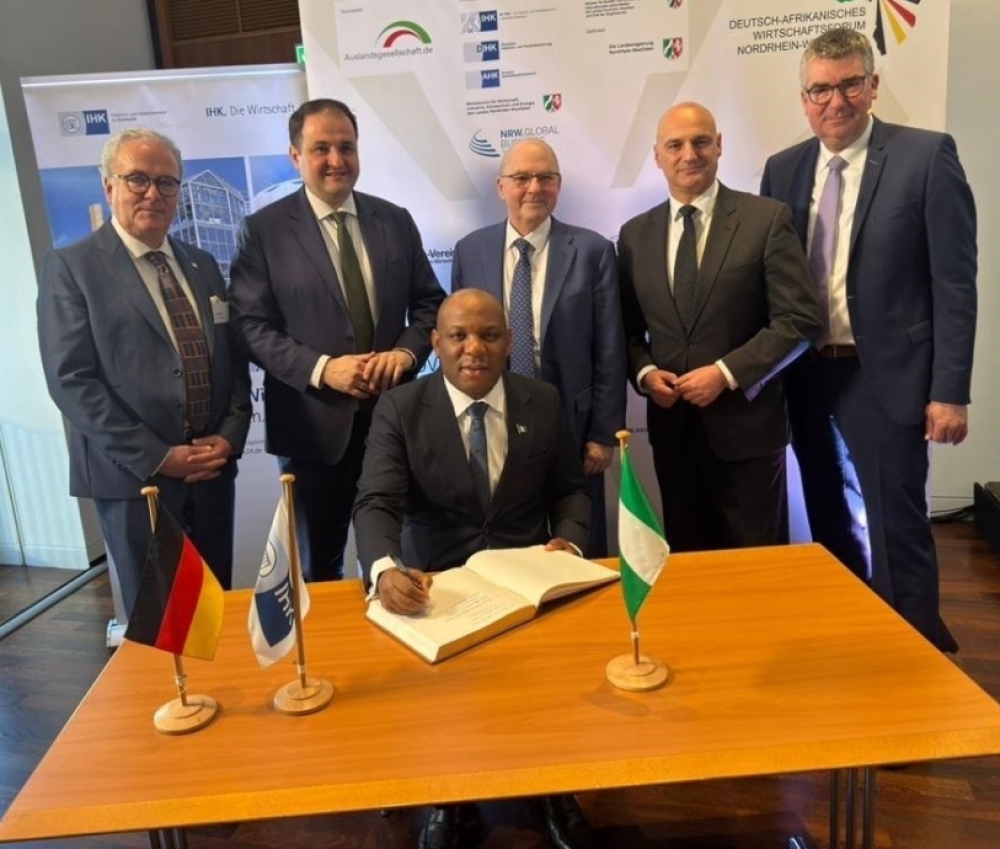
AUDU HIGHLIGHTS NIGERIA’S STEEL SECTOR OPPORTUNITIES AT GERMAN–NIGERIA ECONOMIC FORUM
Prince Shuaibu Abubakar Audu, Honourable Minister of Steel Development